top of page
Search

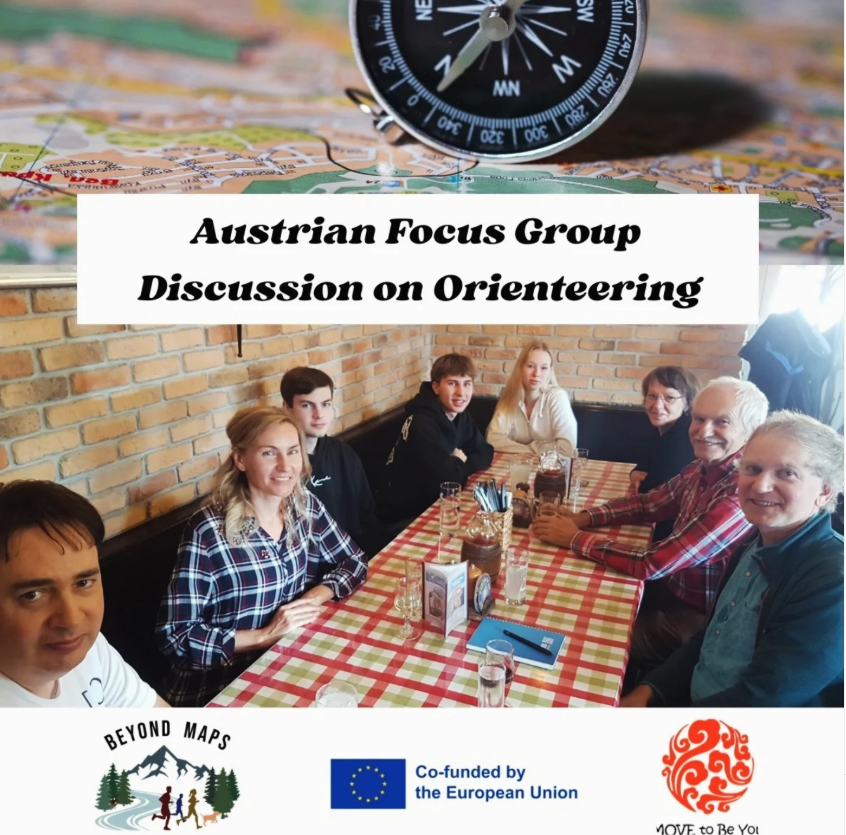
Focus Group about Orienteering n Austria (by Move to Be You)

  • Writer: project4corg
    project4corg
  • Apr 30
  • 1 min read

Very inspiring discussion about orienteering.


We managed to cover even a wide range of people from 19-72 years old.


There was a great agreement on the best aspects of orienteering to :


- Being in nature, feeling stress free


- Ideal place would be to do it next to some river, where there is fresh air and beautiful views.


-to be with a nice group of friends in small teams of 3.


- Exciting moments could be how to make shortcuts and get ahead of others. 😀


- After running having food at the end together. All agreed that a good lunch or dinner with all the participants of the event would be an important element to the event. ,🐻🐹🐰🦝🦊🐶🐒


CONCLGLUSIONS,:


We want to enjoy and have fun. Competition is one thing while being focused more on the enjoyment of the event with the nature; friends & food elements was the highest motivational factor or criteria for participation.


Comments


© 2025 Beyond Maps is co-funded by the European Union

(Project Number 101184390)

Beyond Maps: Orienteering for Youth Development is a Small-scale Partnership in the field of sport aiming to promote the benefits of orienteering in order to support the well-being of young people across Greece, Austria, and Latvia. Recognising sport as a powerful tool for fostering physical health, mental resilience, and social cohesion, the project seeks to raise awareness and increase participation in orienteering, a versatile and accessible sport that combines
outdoor physical activity with navigation skills.

Legal Notice
This report is a document prepared by the Consortium. It aims to provide practical support to the project implementation process. The output expressed does not imply scientific, pedagogical, or academic positions of the current consortium. Neither the partners nor any person acting on behalf of the Consortium is responsible for the use which might be made of this publication.

Funded by the European Union. Views and opinions expressed are however those of the author(s) only and do not necessarily reflect those of the European Union or the European Education and Culture Executive Agency (EACEA). Neither the European Union nor EACEA can be held responsible for them.

bottom of page